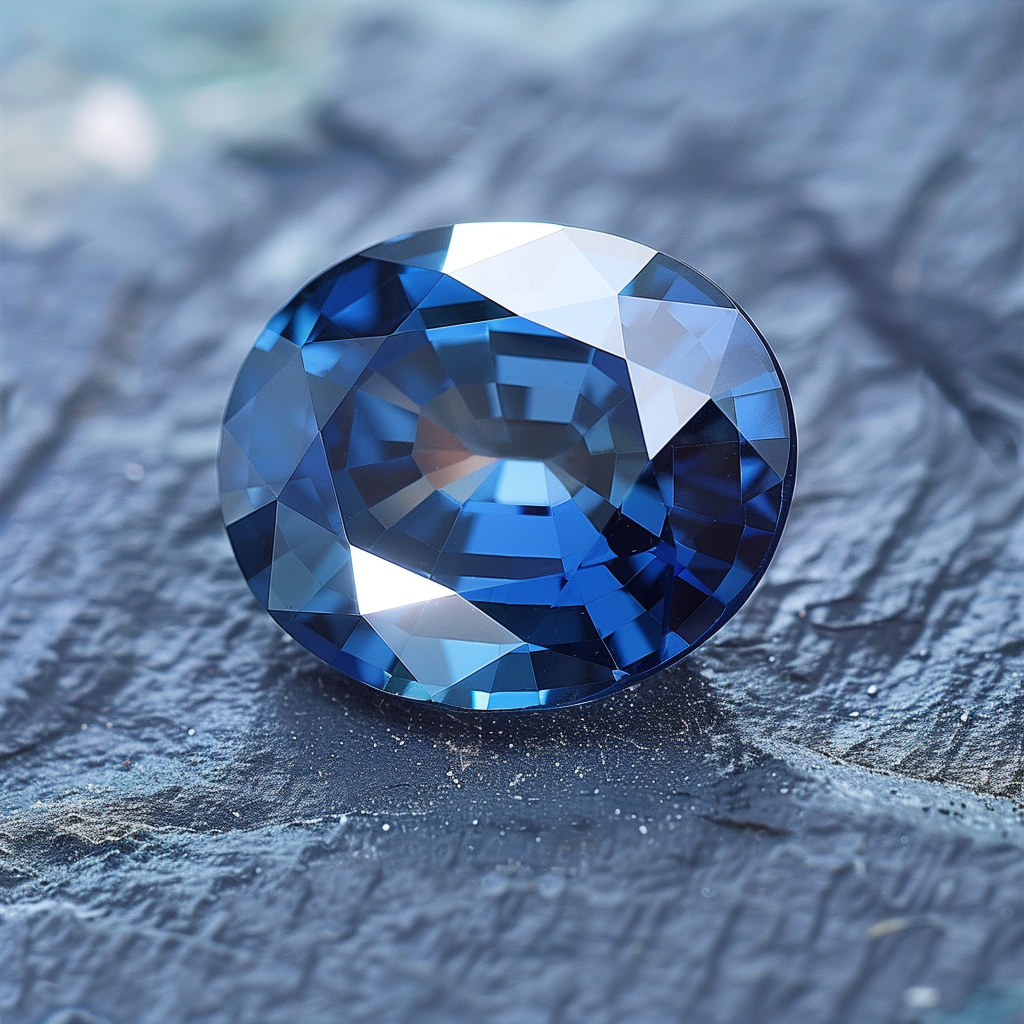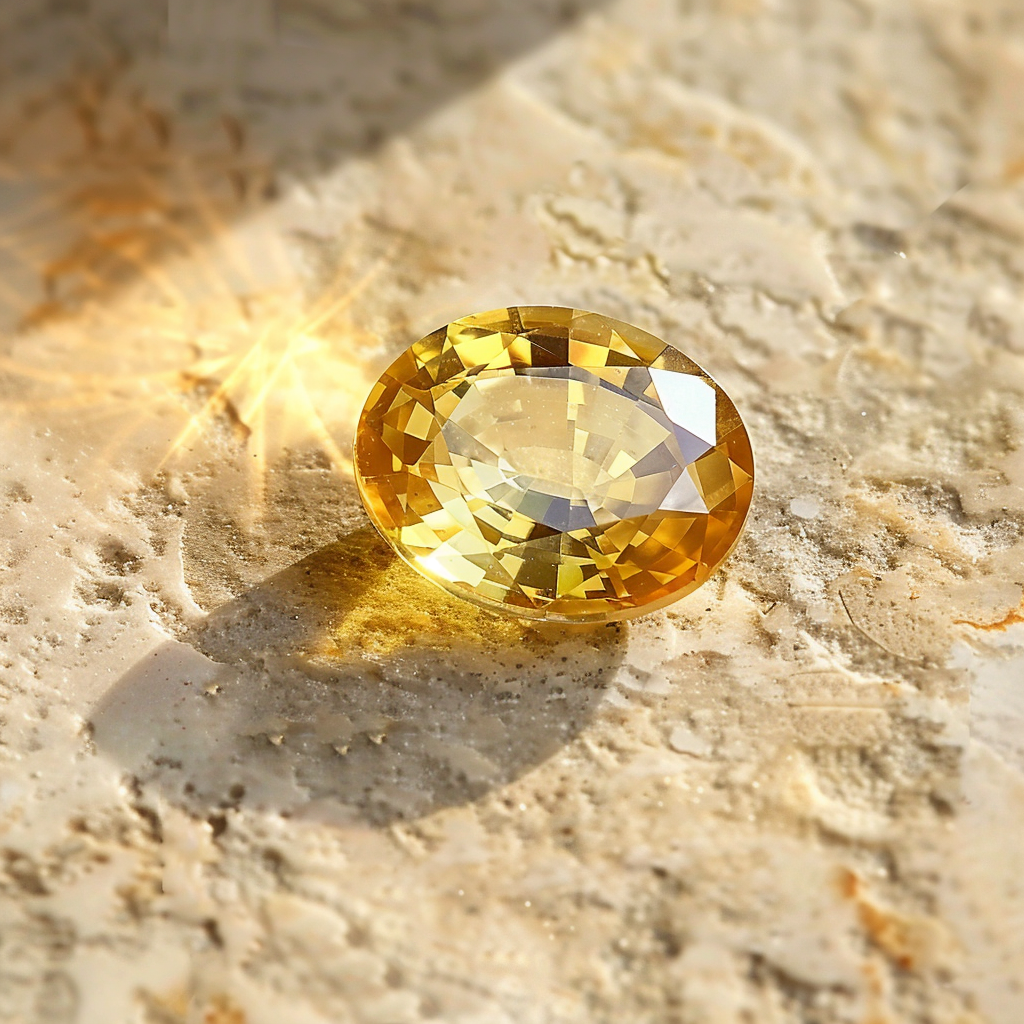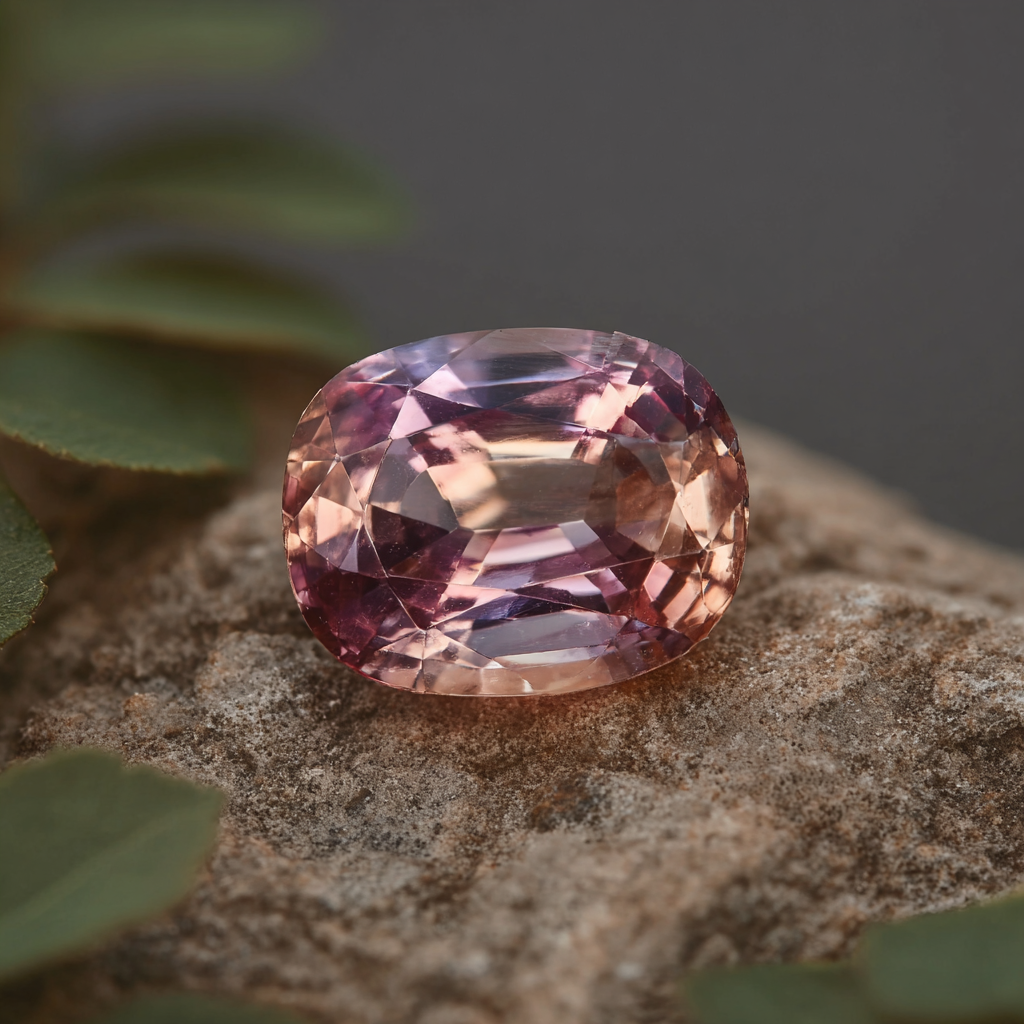


Almost every sapphire for sale is described as natural, heated or unheated, and the words are easy to confuse. Here is what they mean, why heating is done, how laboratories detect it, and how we describe our own stones.
The three words
- Natural means the crystal grew in the earth rather than in a laboratory. On its own, it says nothing about what has been done to the stone since it was mined.
- Heated means the stone has been heated in a furnace, often to well over 1,000°C, to improve its colour or clarity. It is a long-established practice, the result is permanent, and it is widely accepted in the trade as long as it is disclosed.
- Unheated means the stone has not been heated. Laboratories word this carefully, typically as “no indications of heating”, because a report describes the evidence found with today's methods.
Why heat changes a sapphire
The blue of a sapphire comes mainly from traces of iron and titanium interacting within the crystal. Many sapphires also contain fine needles of rutile, a titanium mineral, known as silk. At high temperatures the silk can dissolve and release its titanium into the crystal, so the stone becomes clearer and its blue often stronger. Heat can also lighten overly dark stones or deepen yellows. Sri Lanka has a long tradition of heating pale, milky sapphire known as geuda into fine blue.
Heating is different from more invasive treatments, such as beryllium diffusion, which changes colour by driving a foreign element into the stone, or filling fractures with glass. These must always be disclosed separately, and they affect value and care far more than heat alone.
How laboratories detect heating
- Under the microscope, gemmologists look for the marks heat leaves behind: dissolved or broken-up silk, altered crystal inclusions, and small disc-shaped fractures around them.
- Spectroscopy, such as infrared and UV-visible, shows subtle changes in how the stone absorbs light.
- Chemical analysis, such as LA-ICP-MS, detects trace elements like beryllium when diffusion is suspected.
No single test settles the question. Laboratories weigh the evidence together.
Value
Heated sapphires offer beautiful colour at a more accessible price. Unheated stones of fine colour are scarcer and command a premium, which is why disclosure matters and why independent reports carry weight for significant stones.
How we describe our stones
- From our own mine. Most of our stones come from our family's pit at Horaketiya, Ratnapura, and most of these are unheated. Because we follow them from the gravel to the cutter, we know when a stone has not been heated, even before a laboratory has examined it.
- Heated, and marked as such. We have chosen to heat a few of our own-mine sapphires to bring out their colour. Each is labelled as heated on its listing and grouped in our Heated Sapphires collection.
- World stones. Stones we have bought rather than mined are listed in our World Stones collection with their origin. If one has no laboratory report yet, we say “not yet lab-tested” rather than guess.
- Laboratory reports. Many of our stones carry a report from Bellerophon Gemlab, Paris, with the report number on the listing. For stones of US$5,000 and above, a report from GRS, Gübelin or SSEF can be arranged before purchase.
- Our assurance. If a stone does not match its laboratory report, we refund it in full.
If you have a question about a particular stone, message us on WhatsApp and we will tell you what we know.